

Technologies Used in Greenhouse Cultivation
12 January 2026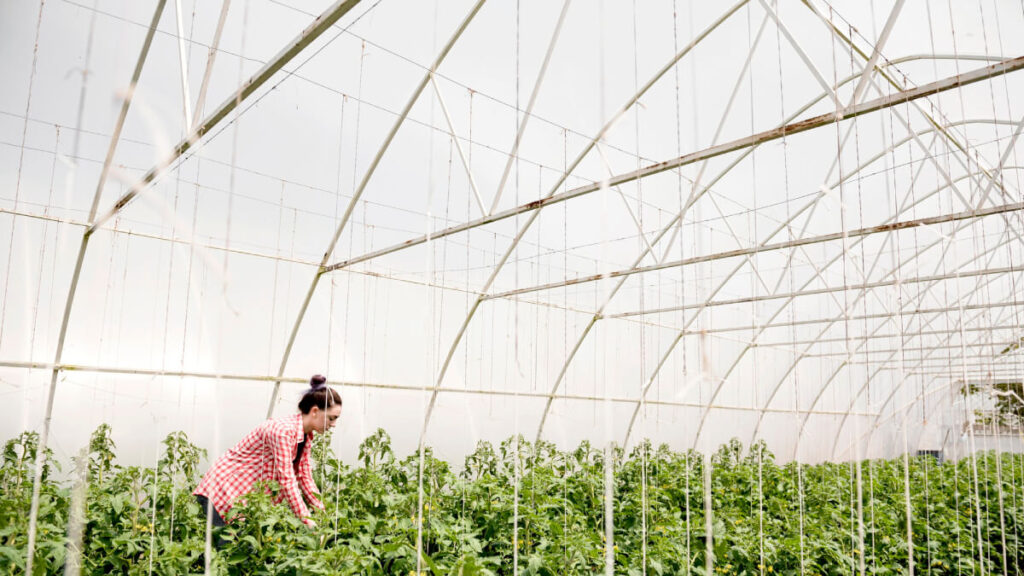
What is Greenhouse Cultivation? How is it Done?
Greenhouse farming is a production method based on growing plants in controlled conditions in areas isolated from external factors. Structures such as greenhouses, tunnel systems, or tarpaulins allow for the management of environmental variables such as temperature, humidity, light, and ventilation; thus, products can be obtained more regularly and with higher yields beyond seasonal limits.
This approach offers a great advantage, especially in regions where extreme climatic conditions prevail or where there is a need to meet market demand with early and late season production. Greenhouse conditions facilitate the protection of plants from diseases and pests, while allowing for more controlled use of water and nutrients; this both reduces costs and supports environmental sustainability.
A successful greenhouse production system begins with well-designed structures: the right material selection, appropriate sizing, and robust assembly are important. In addition, the integration of climate control (heating, cooling, ventilation), drip irrigation or sprinkler systems, and fertilization programs directly affects yield. Disease management, pest monitoring, and integrated pest management strategies are also essential for production continuity.
Modern sensor technologies and automation applications (e.g., humidity, temperature, and CO2 measurement; automatic irrigation and climate control) make greenhouse farming more precise and efficient. This optimizes resource use, improves product quality, and allows for more than one harvest per year by extending production periods. In short, greenhouse cultivation is an agricultural production model that reduces climate risks, increases resource efficiency, and provides market-oriented flexibility.